
Generic selectors
Exact matches only
Search in title
Search in content
Post Type Selectors

Hair

Implant

Get your hair back, get your life back

Hair Implant

Is the only definitive technique that, when supported by medical treatment, can combat alopecia.

Minimally Invasive

Micropuncturing is almost imperceptible and does not require general anesthesia, only local anesthesia.
Natural Results

The implanted hair looks identical to natural, native hair. It leaves no visible scar.

Made by Experts

Only a medical team with experience in hair implants can guarantee effectiveness.
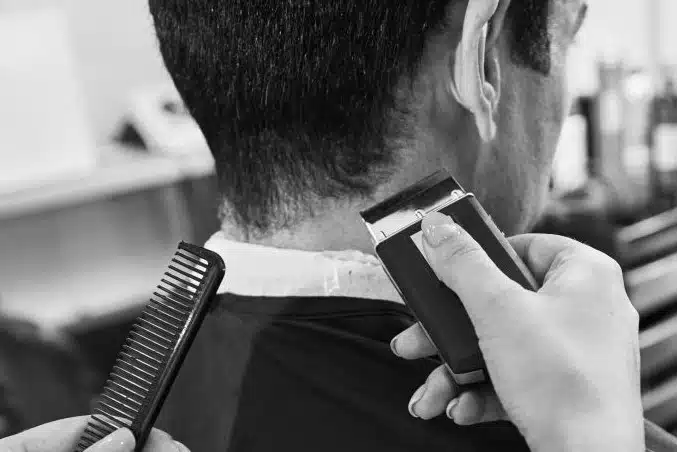
Today's world presents us with options to stop and remedy

the damage of alopecia.

Discover 10 reasons to choose Bojanini Experts for your hair transplant.

What is a Hair Implant?

At Bojanini Hair and Skin Experts, we are world leaders in hair regeneration, combining medical treatment with the best FUE hair transplant technique, achieving natural and sustainable results.

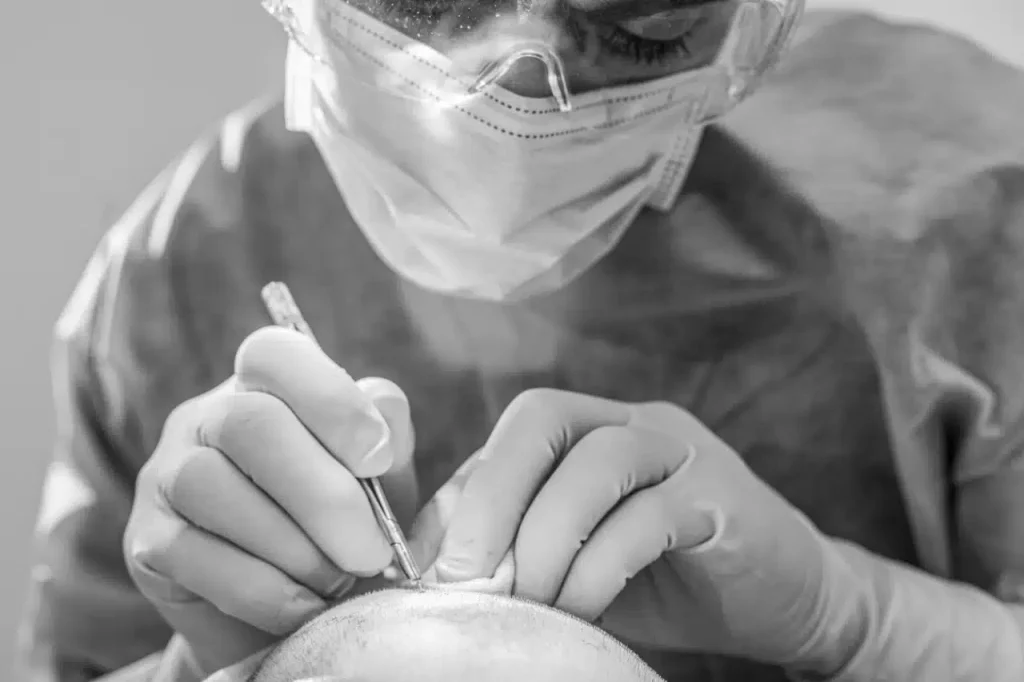
Hair grafting or transplantation is a procedure performed by experienced physicians who control the depth, direction, and angle of hair follicle implantation, ensuring a natural appearance with a nearly imperceptible scar.

Technique

F.U.E

Who is it for?

  • Application: F.U.E
  • Duration: 6 – 8 hours.
  • Anesthesia
  • Depending on the area it ranges from 

Benefits

Hair Implant

  • The hair stays strengthened with customized anti-baldness formulas.
  • It leaves no visible scar; micro-dotting is almost imperceptible.
  • It can be performed on additional areas such as the beard.
  • It is more accepted due to the results in the donor area.
    The implanted hair looks identical to natural, native hair.

Hair Micrograft

FAQ

Frequency Asked Question

Hair Implant

One of the strongest indicators that it’s time to perform a micrograft procedure is when a medical evaluation diagnoses androgenetic alopecia and the patient has a donor site in good condition.

  1. Appointment with the Hair Transplant Specialist: During this examination, the degree of alopecia is diagnosed and it is determined whether the current condition of the donor area is optimal for the transplant or if the patient needs prior medical treatment to prepare.
  2. Shaving of the transplant area and the donor area
    Transplant design: At this stage, the patient is defined and marked, delimiting the donor area and the area to be grafted, ensuring a natural result consistent with the patient’s physiognomy.
  3. Transplant design: At this stage, the patient is defined and marked, delimiting the donor area and the area to be grafted, ensuring a natural result in accordance with the patient’s physiognomy.
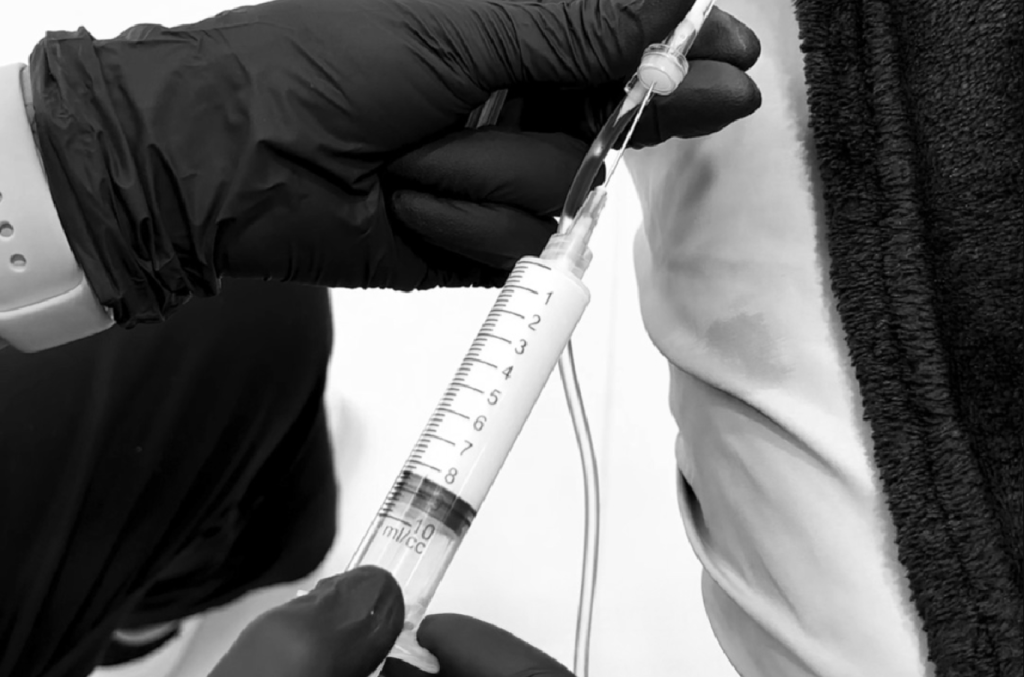
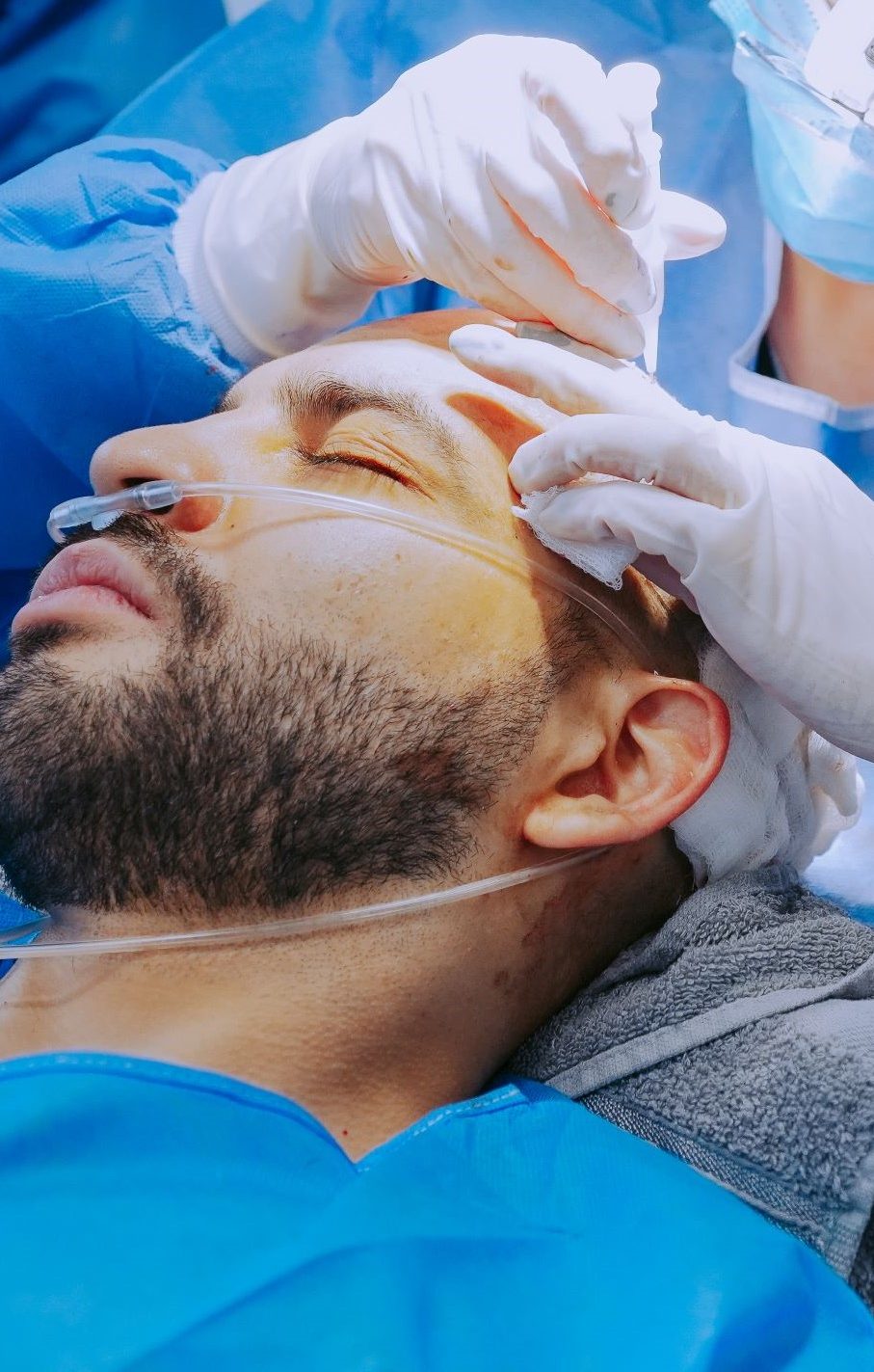
  4. Application of anesthesia: To make the procedure more comfortable, sedation with local anesthesia is administered to both the donor and graft sites.
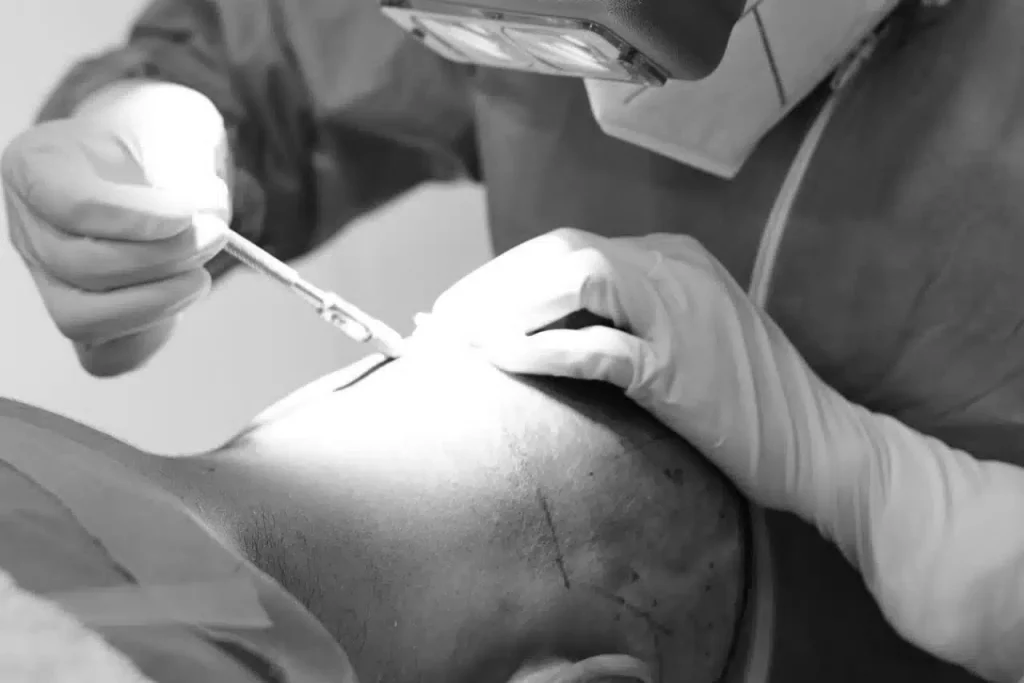
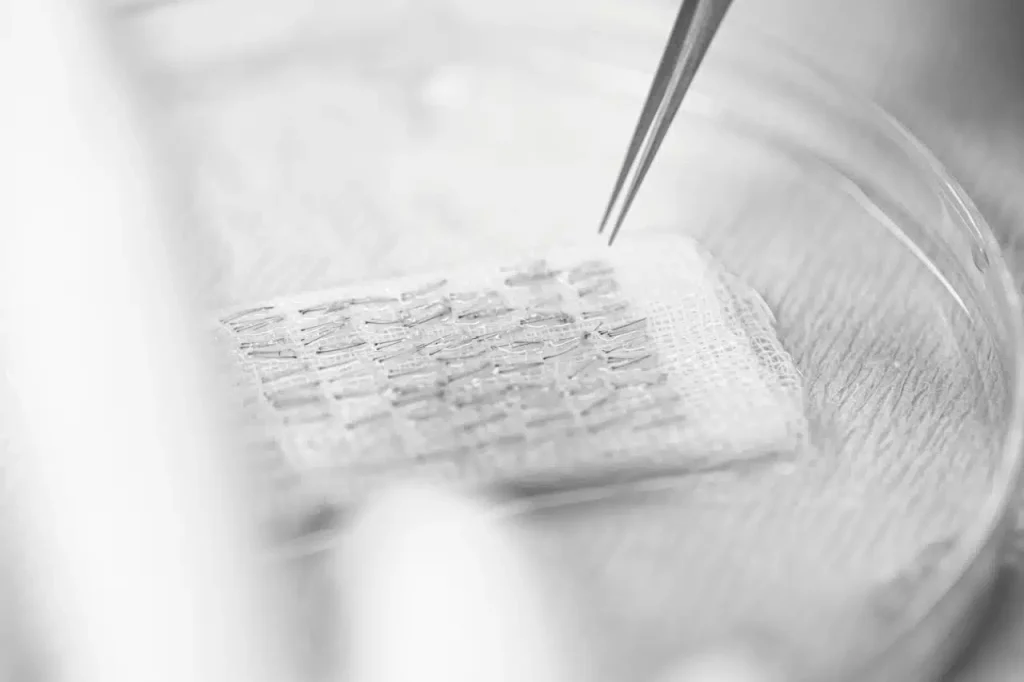
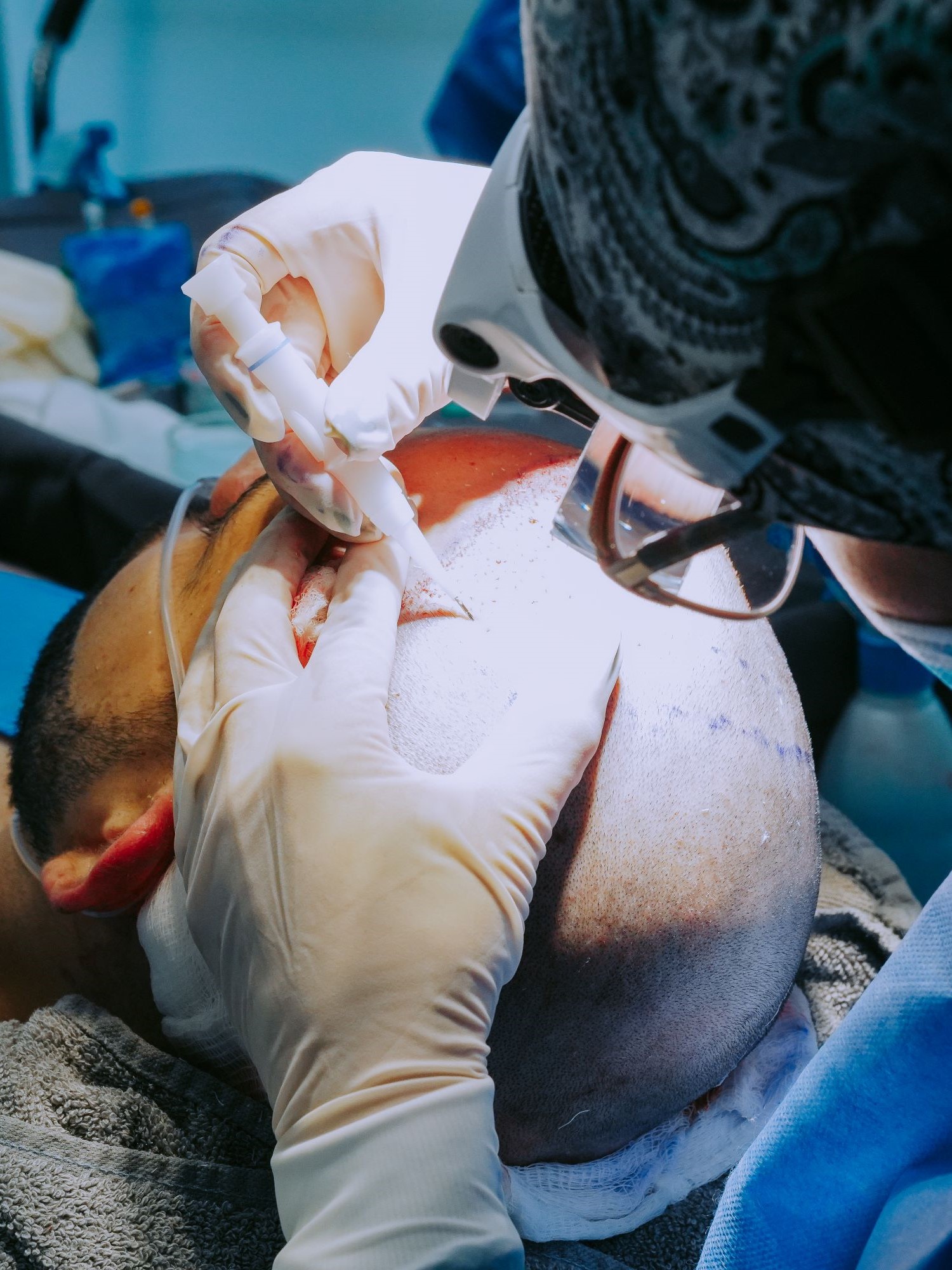
  5. Extraction of follicular units from the donor area: Once the donor area has been defined and prepared, the follicles to be implanted are extracted one by one. These follicular units are classified and analyzed to ensure they are in perfect condition and that the extraction was successful.
  6. Follicle insertion: This is one of the stages of the surgery where our expert pays the greatest attention to detail, as the extracted follicles are implanted with controlled depth and direction, mimicking each patient’s hair growth patterns. This ensures that the grafted and relocated hair looks identical to natural, native hair.

Surgery time varies depending on each case, however, on average it can last between 8 and 10 hours.

There is no standard number; this procedure is personalized, depending on key factors such as the degree of hair loss, the size of the area to be transplanted, and the hair color and thickness in relation to skin tone. This number is determined during your appointment with the Hair Expert.

No, with the advanced development of the FUE technique, the micro-dotting performed to extract and implant is almost imperceptible, so there will be no noticeable difference between the new hair and that of the donor area.

The follicle implanted during micrografting surgery comes from a donor site located on the patient’s head, specifically from the area near the nape of the neck or on the sides.

In the months following hair transplant surgery, the patient goes through various phases. One of these changes, known as the “shedding effect” or “shock loss,” occurs between weeks 3 and 5 after the procedure.

During this shedding phase, the transplanted hair falls out as a sign of follicular renewal, making way for new native hair that will grow in the treated area. This shedding or phase change tells us that the hair transplant is working and that our patient is on the right path to achieving their dream change.

After FUE hair transplant surgery, the patient can return to their daily routine 24 to 48 hours after the implantation. However, activities requiring significant sun exposure should be suspended for at least two weeks.

After surgery, the expert will provide recommendations and prescribe the treatment the patient should follow to ensure a successful outcome. Remember that recovery after the procedure is vital for spectacular results and depends largely on the patient. This is a team effort!

No, the first step is to see you for an appointment to assess the donor area and the intended implant site. This will help the Hair Expert determine whether or not this is the ideal treatment for you based on your specific case. Another important factor considered during this assessment is the patient’s age; it is recommended that this be done after the age of 25.

Remember, only a medical team with experience in hair implants can guarantee natural results while meeting quality, biosafety, and effectiveness standards.

Subscribe for

Newsletter

Sing up to our Newsletter and get the discount code.

You have been successfully Subscribed! Ops! Something went wrong, please try again.

Business Hours

Privacy Policy

Terms and Conditions

Copyright Notice

Contact Info

Coral Gables

Hialeah

en_USEN

Does hair implantation hurt?